
The evolution of gambling a historical overview of games of chance
The Ancient Origins of Gambling
The roots of gambling trace back to ancient civilizations, where games of chance served not only as entertainment but also as a means of decision-making and social interaction. The earliest evidence of gambling dates back to around 3000 BC in China, where rudimentary dice made from bones were used in games of chance. These dice were likely employed in both gaming and divination practices, reflecting an early understanding of randomness and fate. Additionally, many players today enjoy similar thrilling experiences at luckydreams-nz.org/, which offers a wide variety of games.

Similarly, in ancient Mesopotamia, clay tablets illustrate the use of dice and betting, showcasing a widespread fascination with games of chance. The Babylonians and Assyrians were known to gamble on various activities, including the outcomes of sporting events. This ancient form of gambling laid the groundwork for future games, illustrating how integral chance was to social gatherings and community bonding.
As societies evolved, so did their gambling activities. The Egyptians took gambling to another level, incorporating betting into their daily lives with the use of senet, a board game that is believed to have elements of gambling. The religious and cultural significance of such games often blurred the lines between entertainment and spirituality, showcasing the multifaceted roles that games of chance played in ancient societies.
The Rise of Gambling in the Middle Ages
The Middle Ages witnessed a significant transformation in the landscape of gambling, particularly in Europe. This period saw the emergence of games like chess, backgammon, and various card games, which were often played in social settings. Gambling became a popular pastime among the nobility, with extravagant bets placed on the outcomes of games. The social status of players directly influenced betting behavior, indicating how gambling was tied to power dynamics and class structures.
As card games gained popularity, the invention of the printing press allowed for the mass production of playing cards, leading to wider accessibility for the general public. During this time, gambling was often intertwined with other social activities, such as drinking and feasting, creating a cultural context in which chance and risk-taking were celebrated. However, this surge in popularity was met with scrutiny, as religious authorities expressed concerns over moral decay associated with gambling.
Despite these challenges, gambling flourished, particularly in the form of lotteries and public betting on sports. Many towns organized lotteries to fund public works or charity, highlighting how gambling could also serve civic purposes. This duality of gambling as both a vice and a social utility established a complex relationship with society that continues to evolve today.
The Birth of Modern Casinos
The 17th century marked the beginning of modern gambling establishments with the establishment of the first official casino in Venice, Italy, known as the Ridotto. This venue was designed specifically for gambling, allowing patrons to enjoy games in a controlled environment. The popularity of the Ridotto sparked a wave of similar establishments across Europe, where the upper classes could engage in games of chance away from the scrutiny of society.
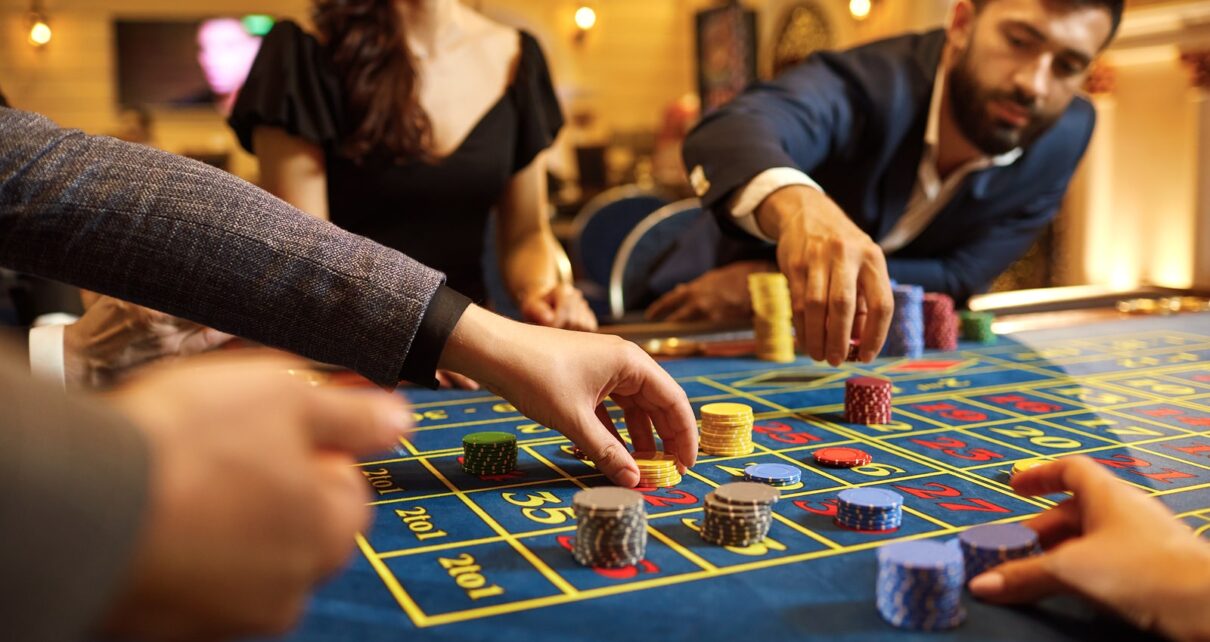
As the casino concept gained traction, different countries began to develop their unique gaming regulations and games. The French introduced innovations such as roulette and baccarat, while the British popularized games like chemin de fer. Each of these games not only emphasized chance but also skill and strategy, adding layers to the experience of gambling and enticing players from various backgrounds.
The 19th century brought further developments with the expansion of gambling to the United States. The introduction of casinos in New Orleans and, later, Las Vegas transformed the landscape of gambling into a mass-market industry. Casinos evolved into lavish destinations, combining entertainment, dining, and gaming, creating an alluring atmosphere that continues to attract millions today. The architectural design of these establishments plays a crucial role in enhancing the gambling experience, blending luxury with the thrill of chance.
The Digital Revolution and Online Gambling
The late 20th century heralded a new era for gambling with the advent of the internet. Online casinos emerged in the 1990s, revolutionizing how players interacted with games of chance. This innovation allowed individuals to gamble from the comfort of their homes, broadening access to a wider audience. Online platforms offered a plethora of games, including traditional table games and modern slots, appealing to diverse preferences.
As technology advanced, the online gambling experience became increasingly sophisticated. Enhanced graphics, user-friendly interfaces, and live dealer games bridged the gap between traditional casinos and online platforms. Players could engage in real-time gambling experiences with live dealers, creating a sense of authenticity and social interaction akin to physical casinos. This evolution marked a significant shift in gambling culture, making it more inclusive and accessible.
However, this digital transformation came with its challenges, including regulatory issues and concerns over responsible gambling. As more players flocked to online casinos, establishing safeguards became paramount to ensure fair play and protect vulnerable individuals. The industry responded by implementing measures like self-exclusion options and responsible gaming initiatives, striving to create a safe gambling environment for all users.
Modern Gambling and Its Future
Today, gambling is a billion-dollar global industry, characterized by its diverse offerings and technological advancements. The rise of mobile gaming has further transformed the landscape, allowing players to access their favorite games anytime, anywhere. With the integration of virtual reality and augmented reality, the future of gambling promises immersive experiences that blur the lines between the digital and physical realms.
Moreover, the growth of esports betting and fantasy sports reflects changing trends in gambling preferences. New generations are gravitating towards interactive and skill-based betting, which presents exciting opportunities for the industry. As gambling continues to evolve, it faces ongoing challenges related to regulation, addiction, and ethical considerations, necessitating ongoing discourse around best practices and responsible gaming.
In this dynamic environment, online platforms have become crucial players. They not only offer extensive gaming libraries but also prioritize player security and engagement. As technology progresses, the next chapter of gambling is likely to involve innovative approaches to player interaction, making it essential for casinos to adapt and meet evolving player expectations.
Lucky Dreams: A Premier Online Casino Experience
Lucky Dreams stands out in the ever-expanding world of online gambling by providing an extensive selection of over 2,600 games, ensuring something for every type of player. This platform caters specifically to New Zealand players, offering a user-friendly interface that enhances the gaming experience. Players can effortlessly navigate through various categories, whether they prefer slots, table games, or live dealer options.
The casino prioritizes player engagement with enticing welcome bonuses and free spins, enabling new users to explore the offerings without significant initial investments. Additionally, Lucky Dreams ensures fast payouts and round-the-clock customer support, addressing any player inquiries or concerns promptly. This commitment to customer satisfaction sets Lucky Dreams apart in a competitive market.
Moreover, the site maintains high standards of security and fairness through licensed operations and regular game audits. Players can indulge in their favorite games with peace of mind, knowing that their data is protected, and the games are fair. Lucky Dreams exemplifies how modern online casinos can blend excitement with responsibility, making it a trustworthy choice for gaming enthusiasts looking for an exhilarating experience.